
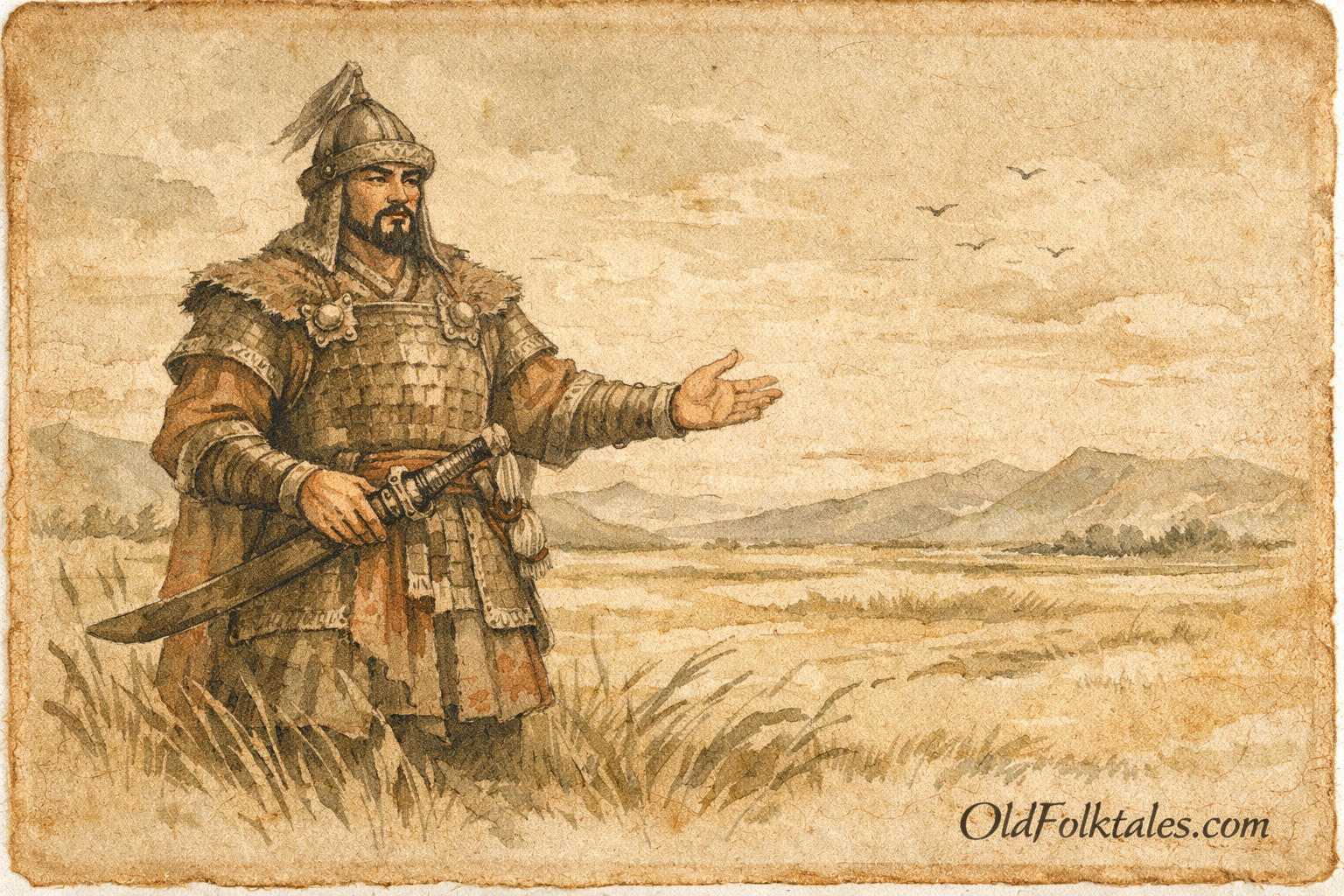
Across the vast Kazakh steppe, where the land demanded strength yet rewarded wisdom, the story of Edige Batyr took shape. It is an epic not only of physical power, but of judgment, of a man destined for greatness who must learn that true authority is measured by restraint. From his earliest days, Edige’s life unfolded under signs that marked him as extraordinary, yet his greatest trials would come not from enemies alone, but from the weight of responsibility placed upon him.
Edige was born amid unusual omens, spoken of by elders as signs of a powerful future. From childhood, his strength was evident, matched by sharp intelligence and a keen awareness of the world around him. Unlike others who boasted of early prowess, Edige observed carefully, learning the customs of his people and the consequences of leadership. He understood that the steppe did not belong to any single man, but to those who protected its balance.
Journey through enchanted forests and islands in our Southeast Asian Folktales collection.
As Edige grew, his reputation spread. He became a formidable warrior, respected for his courage and feared by those who threatened his people. Yet battle alone did not define him. Again and again, Edige was placed in situations where strength offered an easy answer, but justice demanded thought. Loyalty to allies, mercy toward the defeated, and responsibility toward the vulnerable tested him more deeply than any confrontation.
At times, Edige’s decisions displeased powerful figures. His refusal to act with cruelty or blind ambition led to conflict and hardship. In some versions of the epic, he endured exile, cut off from the lands and people he had served. This separation became a turning point. Removed from command, Edige confronted the solitude that follows power and reflected on the meaning of leadership.
Through hardship, Edige matured. He learned that authority without wisdom fractures communities, while restraint preserves them. When circumstances allowed his return, he came back changed, not diminished in strength, but expanded in understanding. He no longer saw leadership as a right earned through victory, but as a burden requiring constant care.
As a ruler and guide, Edige governed with fairness. He listened to elders, weighed counsel carefully, and chose stability over dominance. His decisions shaped the fate of entire communities, not through fear, but through trust. Where conflict once threatened, balance was restored. Where chaos had ruled, order returned, not because Edige demanded obedience, but because his judgment inspired confidence.
The epic of Edige Batyr does not celebrate conquest alone. Instead, it honors the difficult path of moral leadership. His victories mattered, but his legacy endured because he understood that power must be guided by wisdom, and that true strength reveals itself through mercy, patience, and foresight.
Through oral recitation across generations, Edige’s story became a guiding example within the Kazakh heroic tradition. It reminded listeners that leaders are not measured by how much they command, but by how responsibly they serve. In a land shaped by endurance, Edige Batyr stood as proof that wisdom tempers power, and restraint sustains peace.
Moral Lesson
Edige Batyr teaches that power without wisdom leads to ruin, while authority guided by restraint brings lasting stability. True leadership is a responsibility, not a privilege.
Knowledge Check
1. Who is Edige Batyr in Kazakh folklore?
Edige Batyr is a heroic leader known for balancing strength with wisdom and responsibility.
2. What makes Edige different from other batyrs?
He is tested not only in battle but in judgment, mercy, and leadership decisions.
3. What challenges shape Edige’s growth?
Moral dilemmas, hardship, exile, and the burden of leadership.
4. How does Edige view authority?
As a responsibility that requires restraint rather than domination.
5. What is Edige’s lasting legacy?
Stability, fairness, and balance brought through wise leadership.
6. What cultural values does the epic emphasize?
Wisdom, moral restraint, justice, and responsible authority.
Source: Edige epic; part of the wider Turkic epic cycle with strong Kazakh variants
Cultural Origin: Kazakhstan (Kazakh heroic epic tradition)








