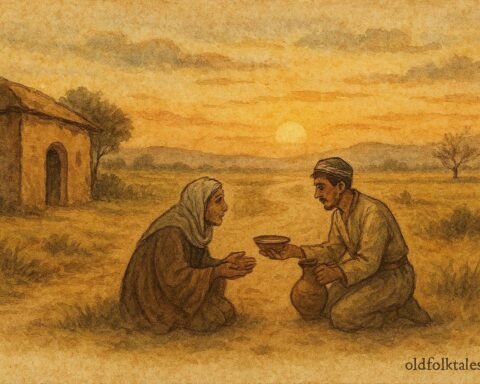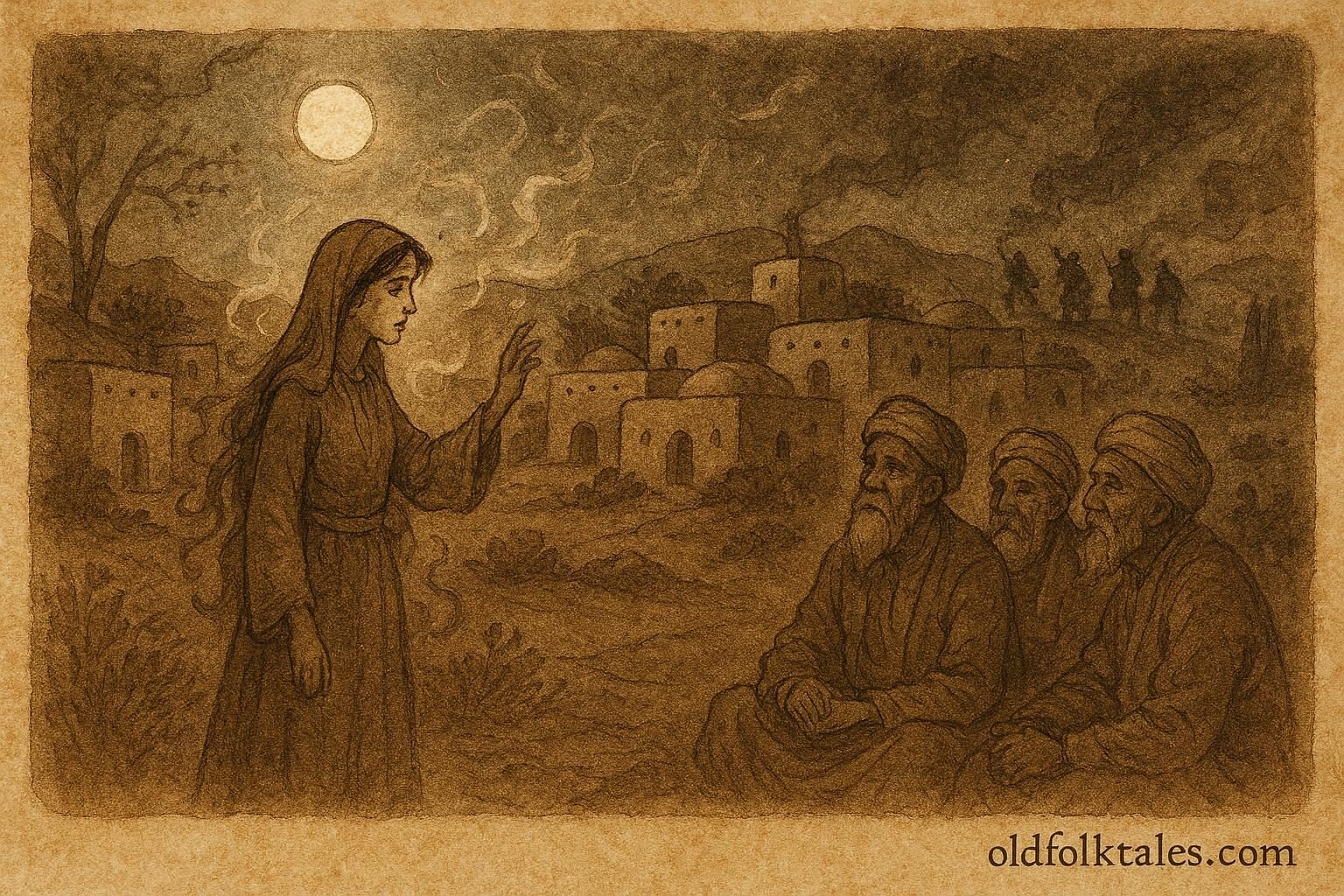
In a quiet Uzbek village, where mud-brick homes stood close together and fields stretched toward distant hills, there lived a young girl named Susambil. From the outside, she seemed no different from other village children—she fetched water, helped with chores, and listened to stories told by elders in the evenings. Yet Susambil carried a gift unlike any other, one that weighed upon her heart as much as it set her apart.
From early childhood, Susambil could hear the thoughts and secrets of those around her. Words left unspoken reached her ears as clearly as spoken speech. Whispers of envy, plans made in silence, hidden fears, and quiet hopes all pressed upon her mind. At first, she did not understand why she knew things she had never been told. Only as she grew older did she realize that this strange awareness was hers alone.
Life in the village became difficult. As Susambil passed through the marketplace or sat among neighbors, she heard the private worries of parents, the jealous thoughts of rivals, and the concealed resentments between families. Though she kept these things to herself, her distant gaze and sudden silences unsettled others. People sensed that Susambil knew more than she should, and soon unease followed her presence.
Some villagers began to avoid her. Others watched her with suspicion, fearing their thoughts might betray them. Susambil felt the loneliness of her gift keenly. She longed to speak freely and laugh without restraint, yet her knowledge made her cautious. The village that once felt warm and familiar slowly became a place of guarded faces and quiet distance.
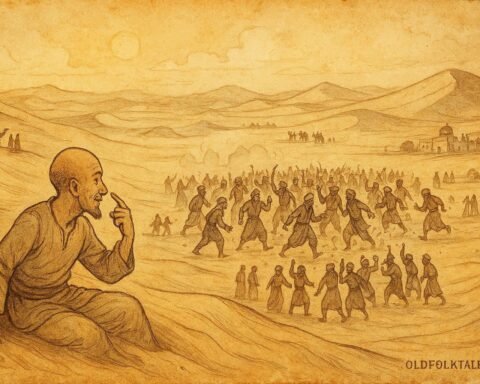
One night, as the village slept beneath a pale moon, Susambil was startled awake by voices, not spoken aloud, but sharp and urgent in her mind. She heard bandits planning a raid, their thoughts filled with greed and cruelty. They intended to strike before dawn, stealing livestock and harming anyone who resisted.
Fear gripped Susambil, but she did not hesitate. Wrapping herself in a shawl, she hurried to the homes of village elders. Though startled by her urgency, they listened as she revealed the danger. At first, some doubted her words, but the clarity and seriousness of her warning could not be ignored. The elders quickly rallied the villagers, hiding their animals and preparing defenses.
When the bandits arrived, they found the village alert and ready. Their plans failed, and they fled into the darkness, empty-handed. Lives were saved, and the village remained unharmed.
At dawn, gratitude replaced suspicion. The villagers gathered, praising Susambil for her courage and insight. For a time, she was treated with respect and admiration. Yet admiration soon gave way again to caution. People wondered what else Susambil might hear, what secrets she might already know. Though thankful, many kept their distance, unsure how to live openly beside someone who could hear what was hidden.
Sensing her confusion and sorrow, the village elders called Susambil to speak with them. They listened carefully as she shared her burden, the endless voices, the secrets she wished she did not know, and the loneliness she endured. One elder spoke gently, reminding her that knowledge is neither good nor evil by itself, but shaped by how it is used.
They advised Susambil to practice discretion and restraint, to speak only when her gift could protect, heal, or guide. Not every secret needed revealing, and not every truth was meant to be spoken aloud. Wisdom, they taught her, lies in knowing when to remain silent.
Susambil took these lessons to heart. She learned to quiet her reactions, to weigh her words carefully, and to act only when her insight could bring peace. Over time, she helped settle disputes by gently guiding people toward understanding, without exposing their hidden thoughts. She warned of dangers when necessary and remained silent when silence served harmony.
Gradually, trust returned. The villagers saw that Susambil did not misuse her gift. She became a quiet pillar of the community, respected not for her strange ability alone, but for her wisdom and compassion. Though her gift still set her apart, it no longer isolated her completely. She had learned how to live with it, and how to serve others without fear.
Thus, Susambil’s story endured, passed from one generation to the next as a reminder that great gifts carry great responsibility, and that wisdom is measured not by what one knows, but by how one chooses to act.
Moral Lesson
This folktale teaches that knowledge and power must be guided by wisdom and restraint. True virtue lies in using one’s gifts for the good of the community while respecting trust and harmony.
Knowledge Check
1. Who is Susambil?
A young girl with the ability to hear the thoughts and secrets of others.
2. What burden does her gift bring?
Isolation, fear from others, and emotional loneliness.
3. How does Susambil save her village?
By warning them of a planned bandit raid.
4. Why do villagers fear her even after she helps them?
They worry she can hear their private thoughts and secrets.
5. What guidance do the elders give Susambil?
To use her gift with discretion and wisdom.
6. What cultural value does the story emphasize?
Responsible use of knowledge and trust within the community.
Source: Collected from Uzbek village storytellers; referenced in folk tale compilations
Cultural Origin: Uzbekistan (Uzbek folk tale)