In a quiet Uzbek village nestled between open steppe and scattered woodlands, there lived a poor woodcutter and his daughter. Their home was small, built of earth and timber, and their possessions were few. Each morning, the woodcutter went into the forest to gather firewood, while his daughter remained behind, tending the hearth, drawing water, and caring for the animals that wandered near their home.
Though her life was marked by hardship, the woodcutter’s daughter carried herself with calm dignity. She spoke gently, shared what little she had, and never allowed bitterness to settle in her heart. Poverty, she believed, did not excuse cruelty or pride.
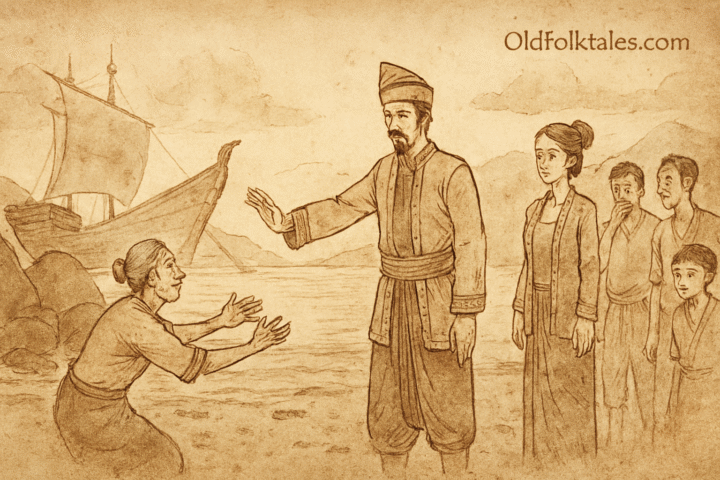
One day, as she walked along a forest path to collect fallen branches, she encountered a weary traveler resting beneath a tree. His clothes were worn, his voice faint. Without hesitation, the girl offered him water and the simple bread she had brought for herself. She asked nothing in return and continued on her way.
Not far from that place, she came upon injured animals caught in brambles or weakened by hunger. She freed them where she could, offering kindness even when no one watched. In the quiet of the woods, her actions went unnoticed, except by unseen forces.
Soon after, the girl encountered a mysterious figure—sometimes described as an old woman, sometimes as a wandering stranger, who tested her nature through subtle trials. The figure asked for help, guidance, or a small sacrifice. Each time, the girl responded with humility and sincerity, never boasting of her goodness or expecting reward.
Unlike others who might have acted out of fear or hope of gain, she remained true to herself.
In time, her virtue was revealed. A hidden treasure was discovered, or her kindness was acknowledged by a supernatural presence with the power to change her fate. Some versions of the tale say she was rewarded with wealth; others say she gained status, security, or marriage to a noble figure who recognized her worth.
What mattered most was not the form of the reward, but the reason for it.
Her rise was not due to cunning or ambition, but to integrity, patience, and moral clarity. She never abandoned her respect for elders, her compassion for strangers, or her humility in success. Even after her circumstances changed, she continued to live with generosity and wisdom.
The village came to know her not as the poor woodcutter’s daughter, but as a woman whose character had reshaped her destiny.
Moral Lesson
This folktale teaches that true virtue is independent of wealth or status. Kindness, humility, and integrity invite lasting reward, while patience and ethical conduct shape a fate more powerful than fortune alone.
Knowledge Check
1. Who is the main character of the story?
The daughter of a poor woodcutter known for her kindness and humility.
2. What challenges test her character?
Encounters with strangers, animals, and a supernatural figure.
3. How does she respond to hardship?
With generosity, patience, and moral integrity.
4. What role does poverty play in the story?
It highlights virtue as separate from material wealth.
5. How is she rewarded for her behavior?
Through treasure, status, or marriage, depending on the version.
6. What Uzbek cultural values are emphasized?
Respect, ethical conduct, humility, and moral reward.
Source: Collected from Uzbek oral storytelling; referenced in folk tale anthologies
Cultural Origin: Uzbekistan (Uzbek folklore)