
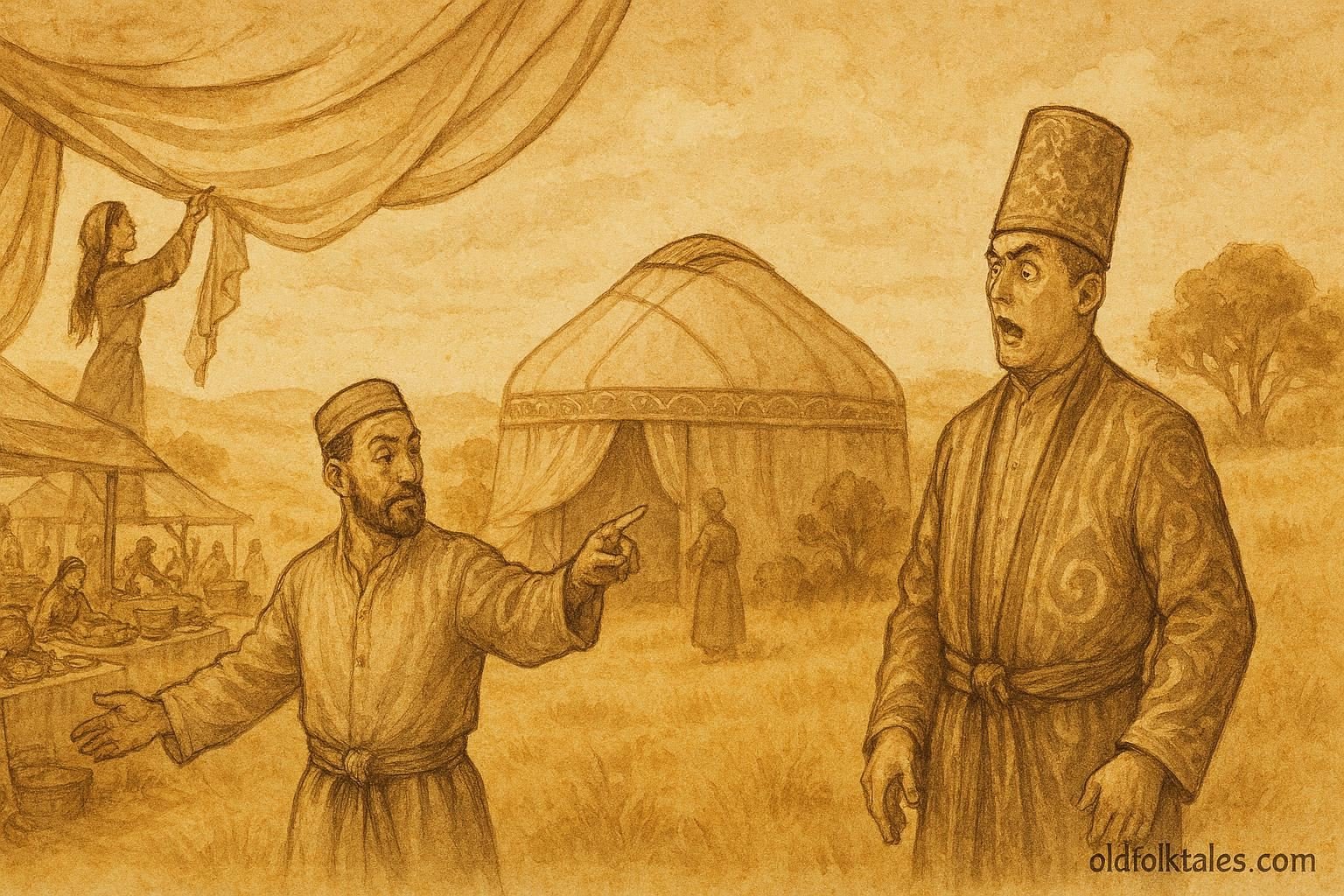
In a bustling Uzbek village, where the sun scorched the golden steppes and the markets rang with the chatter of merchants, there lived a wealthy man known far and wide for his pride and haughtiness. Though his estate stretched across fertile lands and his caravans carried silks and spices from distant lands, the master’s arrogance was as vast as his wealth. He looked down upon everyone, especially his servant, a quiet, observant man who spoke little, laughed rarely, and worked diligently without complaint.
The servant, though poor and humble, possessed a keen mind. He noticed every detail in the household: the patterns of the seasons, the merchants’ habits, and the master’s impulsive decisions. Yet he never spoke out of turn, enduring insults and mockery with patience. Villagers whispered that the servant’s calm demeanor hid unmatched wisdom, though none dared to challenge their master openly.
Discover more East Asian Folktales from the lands of dragons, cherry blossoms, and mountain spirits.
One day, the master, fueled by greed and vanity, ordered a grand festival that would consume half his wealth. He demanded that the servant organize it, giving impossible instructions: gold-laden tents for animals, water that never ran dry in fountains, and silks that shimmered like the stars. The servant bowed silently and set to work. He employed logic, clever tricks, and his knowledge of the land and traders. Tents appeared lavish but cleverly used local materials; fountains seemed endless through hidden cisterns; and silks sparkled through careful arrangement in sunlight. Each seemingly impossible task was completed flawlessly, leaving the master astonished and his guests in admiration.
Despite these successes, the master’s pride persisted. He sent the servant on errands designed to humiliate him, to bargain with merchants who secretly despised him, to manage impossible accounts, and to appease the whims of haughty neighbors. Every time, the servant solved the problems with calm reasoning, turning potential disasters into triumphs. Traders returned amazed by his fairness; neighbors praised his diplomacy; even the animals in the estate seemed to respond to his gentle care. Slowly, whispers spread through the village of the servant’s intelligence and wisdom.
The turning point came when the master’s greed led him into serious danger. In his overreach, he attempted to seize land from a neighboring merchant through false claims. The dispute escalated, threatening the master with legal repercussions and public disgrace. He realized that his wealth alone could not protect him. Desperate, he turned to the servant. Without hesitation, the servant devised a plan: he gathered witnesses, presented careful documentation of the estate’s dealings, and subtly exposed the master’s previous mistakes without insulting him directly. Through tact and clever reasoning, the servant resolved the dispute, preserving the master’s property and reputation while subtly teaching a lesson in humility.
Shamed by his near ruin and by the quiet brilliance of his servant, the master recognized for the first time that wealth and status were meaningless without wisdom, patience, and moral insight. He granted the servant his freedom and rewarded him generously. The servant, however, remained humble, using his newfound standing not to boast but to help others, mediate disputes, and continue serving his community with the same intelligence and integrity that had guided him throughout his life.
The tale of the clever servant spread across the village and beyond, carried by merchants, storytellers, and travelers. It reminded all who heard it that true wisdom and moral strength do not come from wealth or rank, but from observation, patience, and a clear mind. Even the proudest noble, the story seemed to say, could learn humility when confronted with the quiet intelligence of the humble.
Moral Lesson
Intelligence, patience, and integrity are far more powerful than wealth or status. True wisdom is demonstrated through calm reasoning, moral clarity, and humility, not arrogance or pride.
Knowledge Check
-
Q: Who is the central figure of this folktale?
A: The humble, clever servant who outwits his wealthy, arrogant master. -
Q: What traits allow the servant to succeed?
A: Intelligence, observation, patience, calm reasoning, and moral integrity. -
Q: How does the story reflect Uzbek cultural values?
A: It emphasizes humility, wisdom over wealth, community respect, and ethical conduct. -
Q: What role does the master’s pride play in the story?
A: His arrogance and greed create the challenges the servant must navigate, ultimately teaching him humility. -
Q: How is wisdom portrayed in contrast to material wealth?
A: The servant’s intellect and moral clarity triumph over the master’s riches, showing knowledge and patience outweigh material power. -
Q: What is the primary lesson audiences are meant to learn?
A: True success comes from character, intelligence, and integrity rather than social rank or possessions.
Source: Uzbek oral tradition; collected in moral folktale anthologies.
Cultural Origin: Uzbekistan (Uzbek folk tale)








