In the heart of Uzbekistan, where caravan roads once crossed wide plains and rivers shimmered beneath the open sky, there lived a young man named Tahir, known for his courage, honesty, and steady heart. Though he was not born to great wealth, his name was spoken with respect, for he carried himself with dignity and treated elders and strangers alike with kindness.
In a nearby settlement lived Zehra, a maiden renowned not only for her beauty but for her gentle spirit and wisdom. Her presence brought calm, and her words carried grace. When Tahir first saw her, his heart was quietly transformed. Zehra, too, recognized in Tahir a rare sincerity, and their affection grew through shared glances and careful words, guided by modesty and respect.
Explore desert legends and palace tales in our Western Asian Folktales archive.
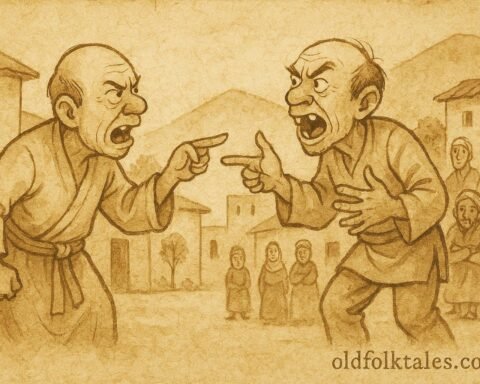
Their love, however, did not go unnoticed. Zehra’s father, a man of status and authority, believed that love alone was not enough to bind families together. He feared that Tahir, despite his virtues, had not yet proven himself worthy of his daughter’s future. Determined to test the young man’s devotion, he set forth seemingly impossible trials, hoping either to strengthen Tahir’s resolve, or to turn him away.
When Tahir came forward to ask for Zehra’s hand, her father received him solemnly. He did not refuse outright, but instead laid down his conditions. Tahir must first complete a series of trials to demonstrate courage, wisdom, and perseverance. Only then would he earn the right to marry Zehra.
Without hesitation, Tahir accepted.
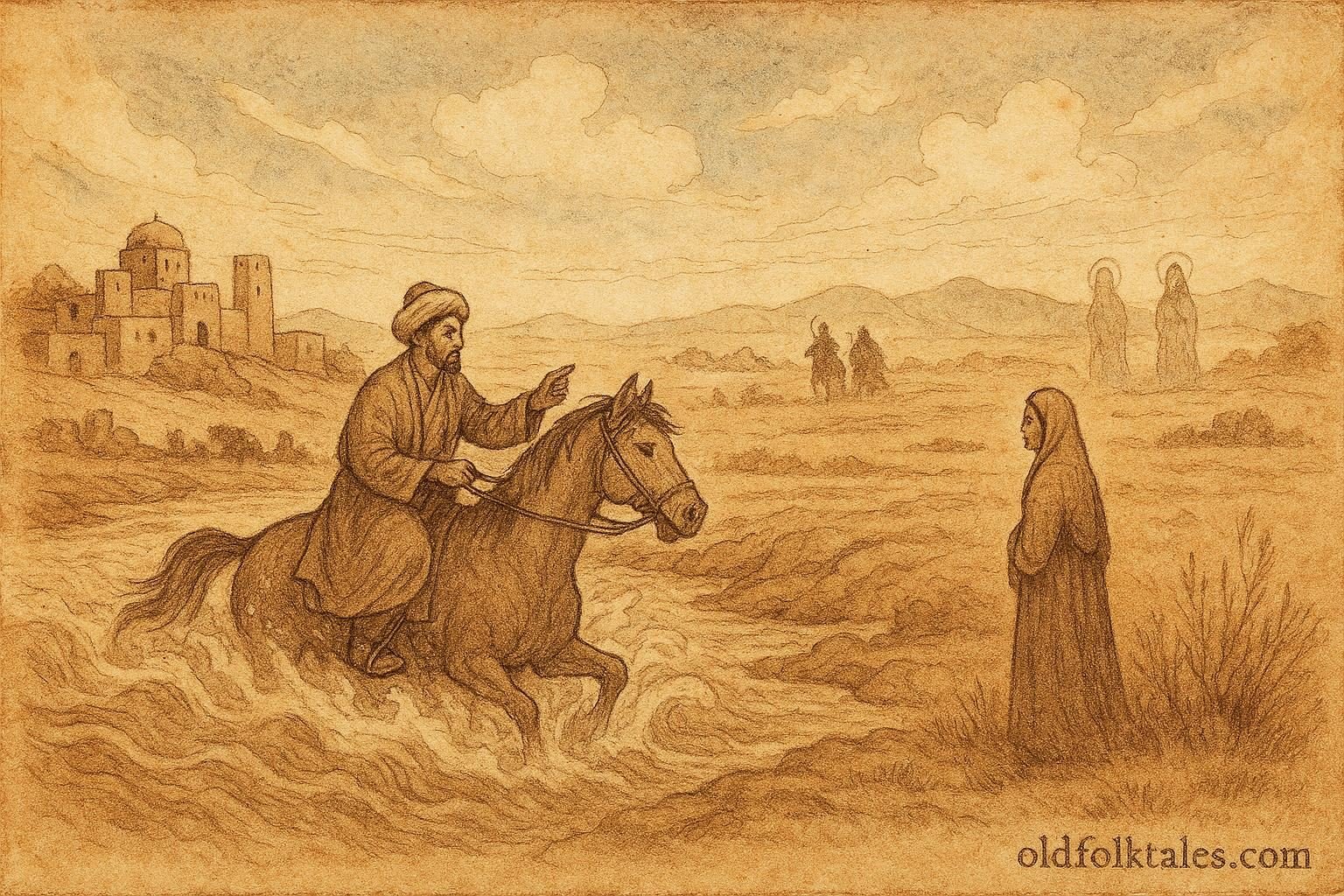
His first journey led him across treacherous rivers, swollen with fast-moving currents. Many warned him to turn back, but Tahir pressed on, trusting his strength and resolve. Battling exhaustion and danger, he crossed safely, proving his endurance and determination.
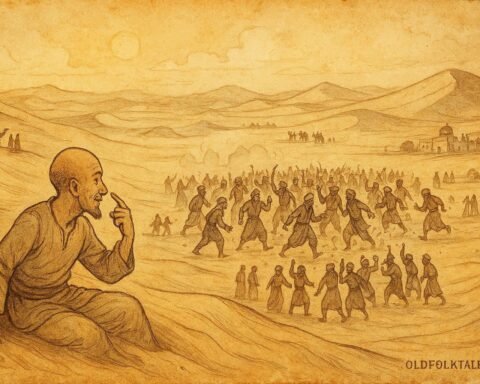
Next, Tahir faced bandits who haunted lonely roads, preying on travelers. Rather than flee, he met them with bravery and cleverness, defending himself without cruelty. His calm courage allowed him to pass unscathed, earning the respect even of those who sought to harm him.
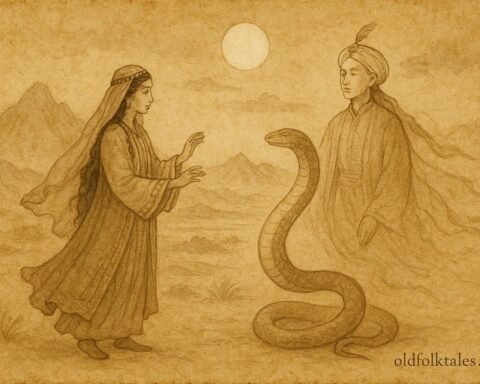
The final trials tested not only strength, but wisdom. Tahir encountered magical beings who posed riddles meant to confuse and mislead. Remembering the lessons of elders and the value of patience, Tahir listened carefully and answered with thoughtfulness rather than haste. His clever responses revealed a sharp mind guided by humility.
Throughout these trials, Zehra waited, her faith in Tahir unwavering. Though separated by distance and danger, she remained loyal, believing that true love must endure hardship. Her patience reflected the same strength that guided Tahir through his journeys.
At last, Tahir returned, weary but victorious. He stood once more before Zehra’s father, bearing the marks of his trials not as wounds, but as signs of growth. The father listened as Tahir recounted his journeys, not boasting, but speaking with gratitude for the lessons learned.
Moved by Tahir’s courage, humility, and unwavering devotion, Zehra’s father recognized the young man’s worth. He saw that Tahir had not only endured hardship for love, but had done so with honor and respect. The trials had proven what words alone could not.
With the father’s blessing, Tahir and Zehra were united in marriage. Their union brought harmony between families, and the celebrations echoed across the land. The people rejoiced, seeing in their story a reflection of cherished values, perseverance, filial respect, and love earned through action.
Tahir and Zehra lived together in peace, their bond strengthened by the trials they had overcome. Their tale endured long after, told by storytellers as a reminder that love guided by virtue can withstand even the greatest tests of fate.
Moral Lesson
This folktale teaches that true love is proven through perseverance, integrity, and respect. When devotion is guided by honorable actions and patience, it earns trust, unity, and lasting harmony.
Knowledge Check
1. Who are Tahir and Zehra?
They are lovers whose union is tested through trials of courage and wisdom.
2. Why does Zehra’s father oppose the marriage at first?
He wants Tahir to prove his worth through difficult challenges.
3. What kinds of trials does Tahir face?
Dangerous journeys, encounters with bandits, and riddles posed by magical beings.
4. How does Tahir succeed in the trials?
Through bravery, intelligence, patience, and moral integrity.
5. What role does Zehra play during Tahir’s journey?
She remains faithful and patient, trusting Tahir’s devotion.
6. What cultural values does the story emphasize?
Perseverance, filial respect, courage, and love proven through action.
Source: Uzbek oral narrative; preserved in regional story collections
Cultural Origin: Uzbekistan (Uzbek folk tale)