In the heart of Turkmenistan, where arid plains meet rolling hills and caravans trace the endless horizon, tales are told not only of heroes with swords, but of quiet minds that outwit power. Among these, the story of the Wise Old Man and the Greedy Khan stands as a testament to intelligence, patience, and the enduring value of moral cunning.
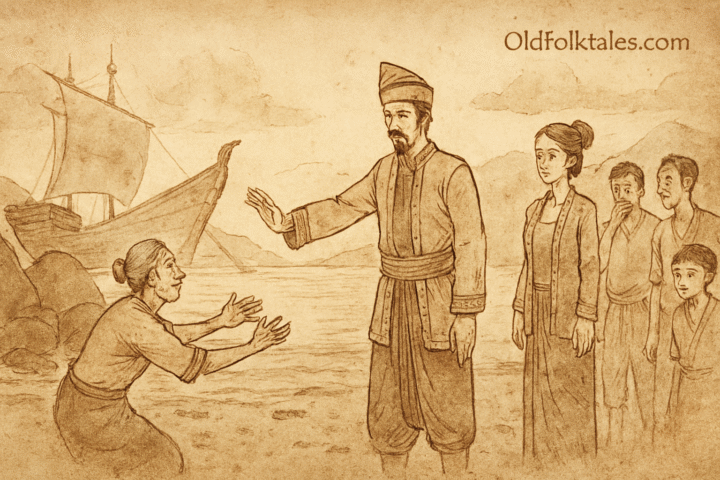
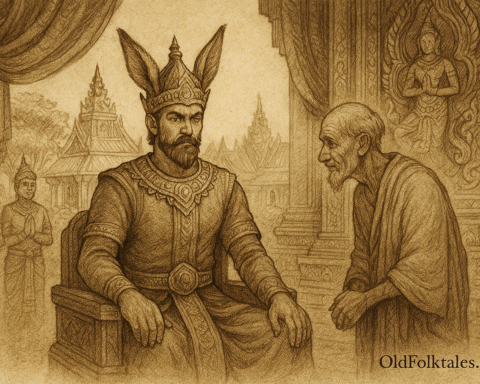
The tale begins with a khan known for his wealth, power, and unyielding greed. No matter the appeal of fairness or the cries of his subjects, he demands more than his due. In contrast, a poor elder lives humbly on the margins, respected by neighbors for his insight, calm judgment, and careful observation. Though powerless in status, he possesses a sharp mind that measures every situation carefully.
The khan, hearing of the old man’s reputation, seeks to test him, or perhaps, to exploit him. He imposes a series of challenges, expecting obedience and failure. Yet the elder approaches each demand not with fear or resentment, but with patience, humility, and clever strategy. He carefully observes the khan’s tendencies, the structure of his court, and the weaknesses in his authority. Each response balances respect for the khan’s position with moral intelligence, ensuring the elder’s dignity is maintained.
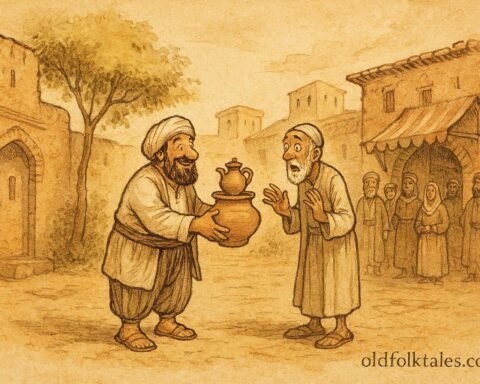
In one challenge, the khan demands tribute far beyond the old man’s means. Rather than direct defiance, the elder devises a solution that fulfills the letter of the khan’s command while revealing the absurdity of his greed. The khan, initially triumphant, is silently corrected by the elder’s tact and insight, learning that power alone does not guarantee control over reason or conscience.
Repeatedly, the elder turns the khan’s expectations on their head. What appears to be subservience conceals cleverness; what appears to be obedience reveals moral judgment. Each encounter emphasizes that wisdom can surpass authority, and that patience allows insight to overcome impulsive desire. Through subtle negotiation, careful timing, and thoughtful speech, the elder not only survives the khan’s tests but also exposes the flaws in tyranny without open confrontation.
The narrative highlights Turkmen cultural respect for the elderly, the value of intellect over brute force, and the moral lesson that true authority is tempered by fairness and understanding. While the khan rules by fear and avarice, the elder rules through influence, reason, and ethical example.
By the end, the khan is humbled, not necessarily defeated by arms, but enlightened by repeated demonstration that wisdom and patience hold power far beyond material wealth. The elder returns to his humble life, his reputation cemented among villagers as a living embodiment of intelligence, ethical courage, and cleverness in the face of greed.
The story concludes with quiet reflection: power without wisdom is fragile, while moral insight ensures endurance and respect. It reminds listeners that patience, cunning, and virtue can shape the world even when authority seems overwhelming.
Moral Lesson
This folktale teaches that wisdom, patience, and moral insight surpass brute authority or greed. True influence comes not from wealth or power, but from intelligence, ethical judgment, and careful action.
Knowledge Check
1. Who is the main adversary in this story?
The Greedy Khan, a ruler whose power is unchecked by fairness.
2. How does the Wise Old Man overcome the khan?
Through patience, cleverness, and moral insight rather than force.
3. What does the elder symbolize in Turkmen culture?
Respect for the wisdom of age, ethical judgment, and intelligence over status.
4. What central value does this story teach?
That wisdom and patience surpass authority and greed.
5. How does the khan react to the elder’s cleverness?
He is humbled and learns that power alone cannot dictate reason or morality.
6. What is the role of patience in the tale?
It allows careful observation and thoughtful action, giving intelligence supremacy over brute force.
Source: Turkmen moral folktales
Cultural Origin: Turkmenistan (Turkmen folklore)